What types of inspection data can I annotate in CVAT?
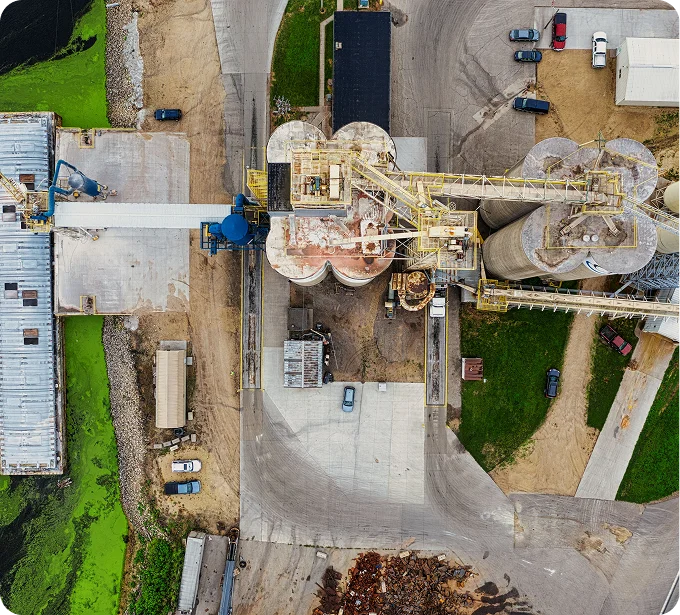
CVAT can be used with drone and helicopter captures, vehicle-mounted survey imagery, fixed-camera and CCTV video, and other inspection footage in supported formats. Teams commonly use it to create training data for asset inspection, defect detection, vegetation management, and condition monitoring.
Can I record defect severity as well as defect type?
Yes. Object attributes let you capture severity grade, material, component type, confidence, or any other structured field alongside the shape itself, so a single annotation pass produces both detection and classification training data.
Can CVAT handle inspection video, not just still images?
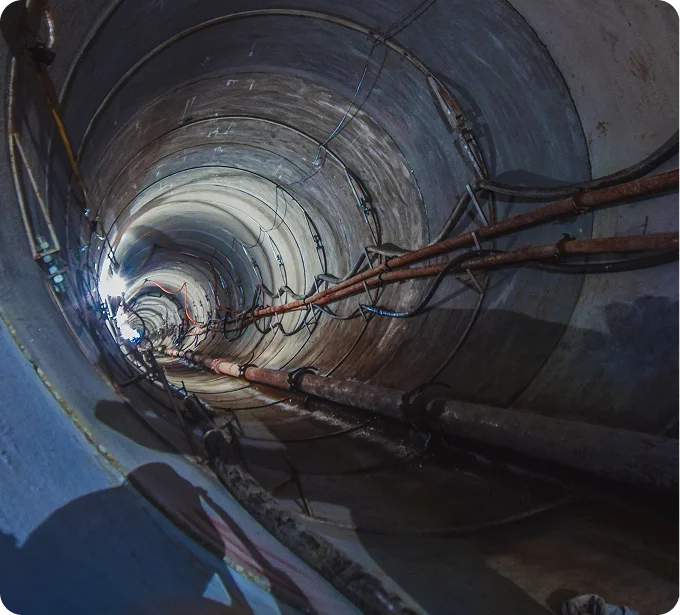
Yes. Video can be annotated frame by frame or with track mode, which propagates an object across frames and interpolates between keyframes. This matters for corridor flights and in-pipe CCTV runs, where the same asset appears across long sequences.
Which annotation types work best for infrastructure defects?
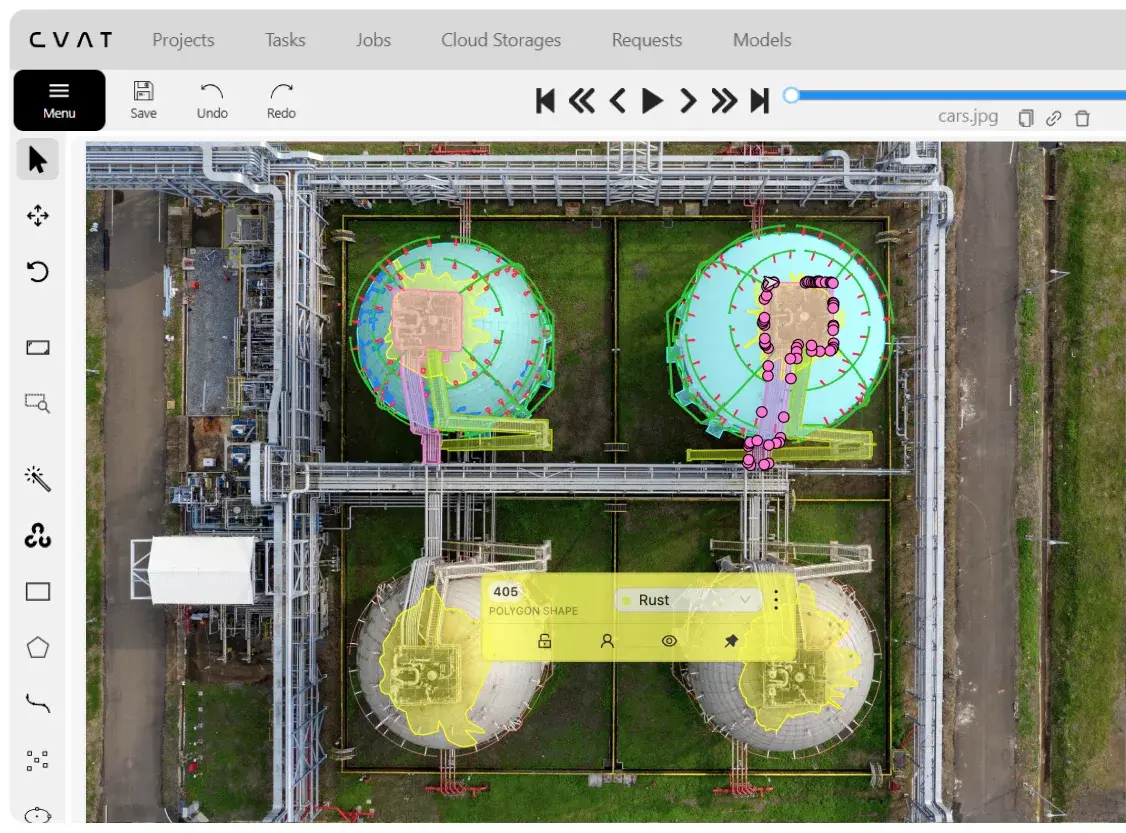
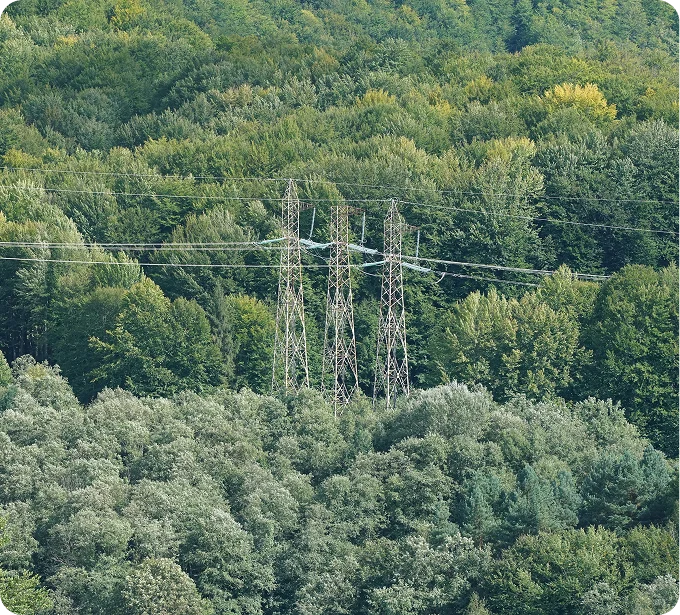
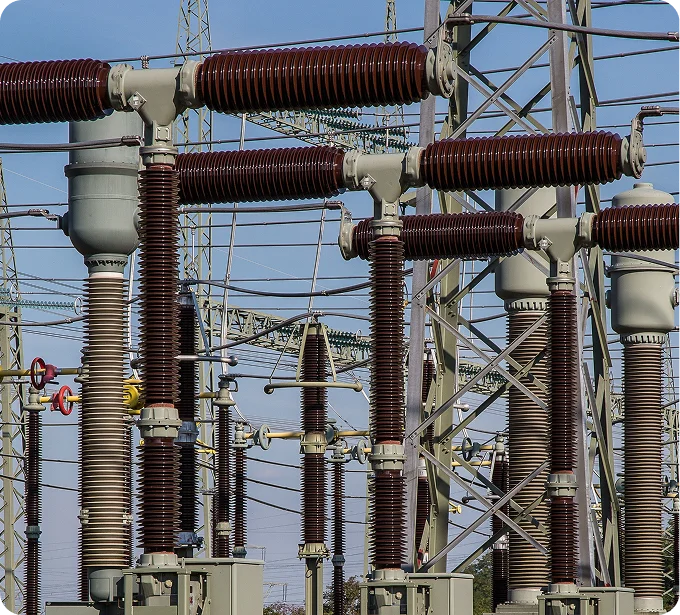
Corrosion, spalling, and vegetation are region problems, so masks and polygons carry the boundary. Conductors, pipe runs, and cable routes are geometry problems better served by polylines. Components such as insulators, dampers, and meters are usually boxes or oriented boxes, with points and skeletons where relative position matters. Most inspection projects mix all of these under one taxonomy.
Can we use our own defect detector to pre-label an inspection campaign?
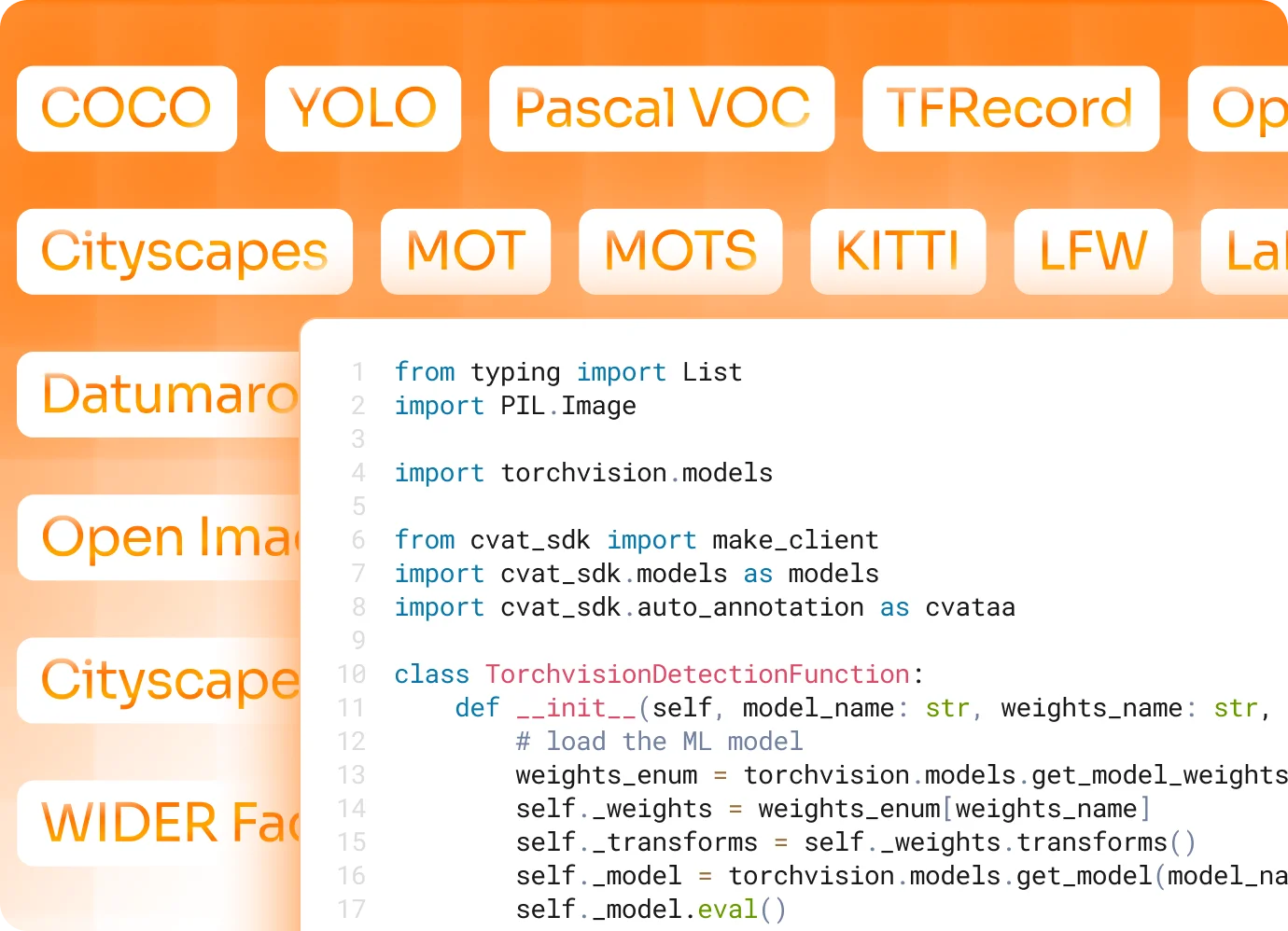
Yes. Import predictions from an existing model or connect a compatible custom model to generate a first pass, then have inspectors confirm, correct, or reject each one. Rejected detections stay in the project as labeled negatives, which is usually where the next round of model improvement comes from.
Can CVAT read imagery straight from the bucket our survey contractor delivers to?
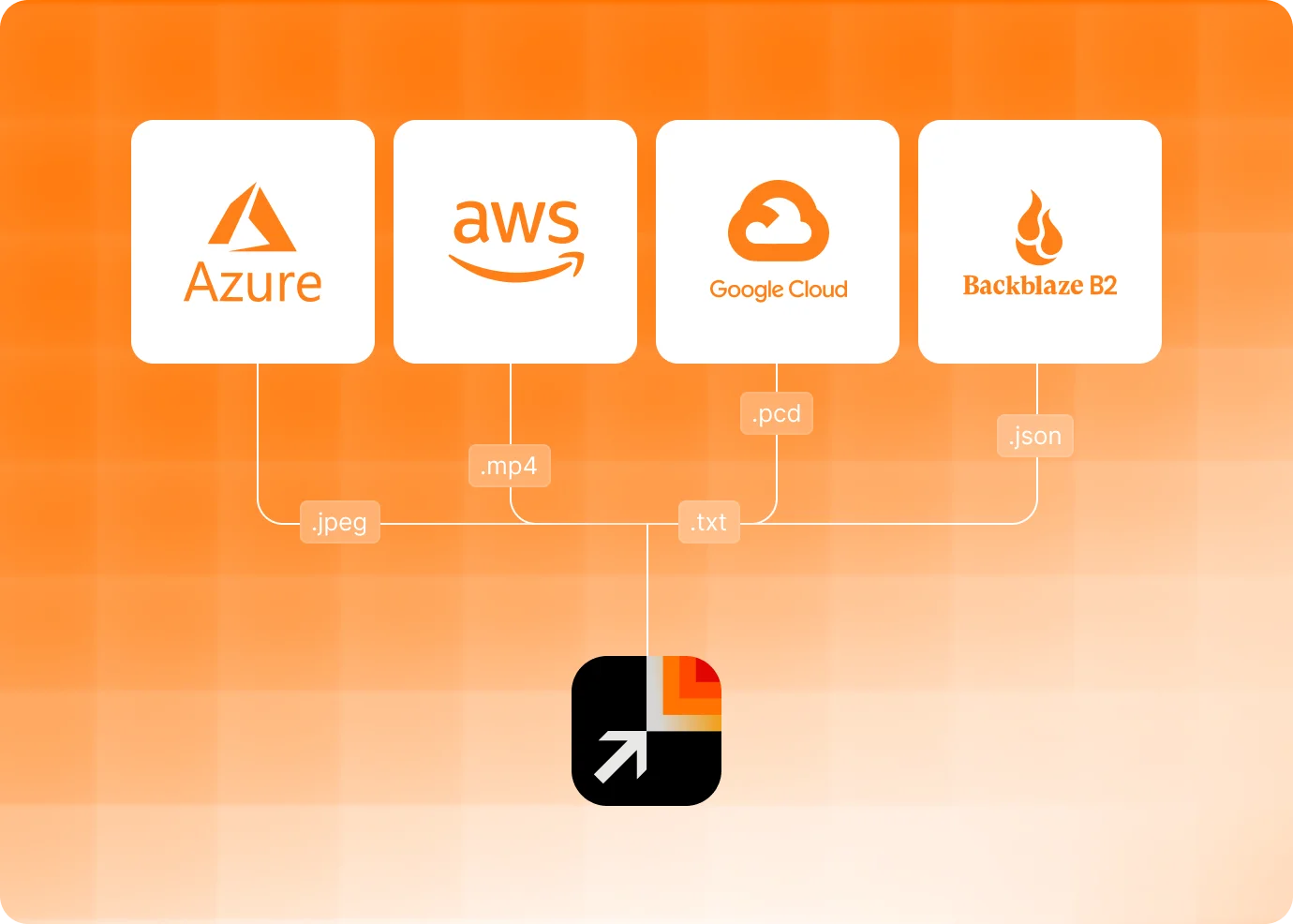
CVAT supports connected cloud storage including Amazon S3, Azure Blob Storage, Google Cloud Storage, and Backblaze B2, so a contractor’s delivery can be annotated where it lands rather than copied into a second store first.
How do we keep severity grading consistent between inspectors?
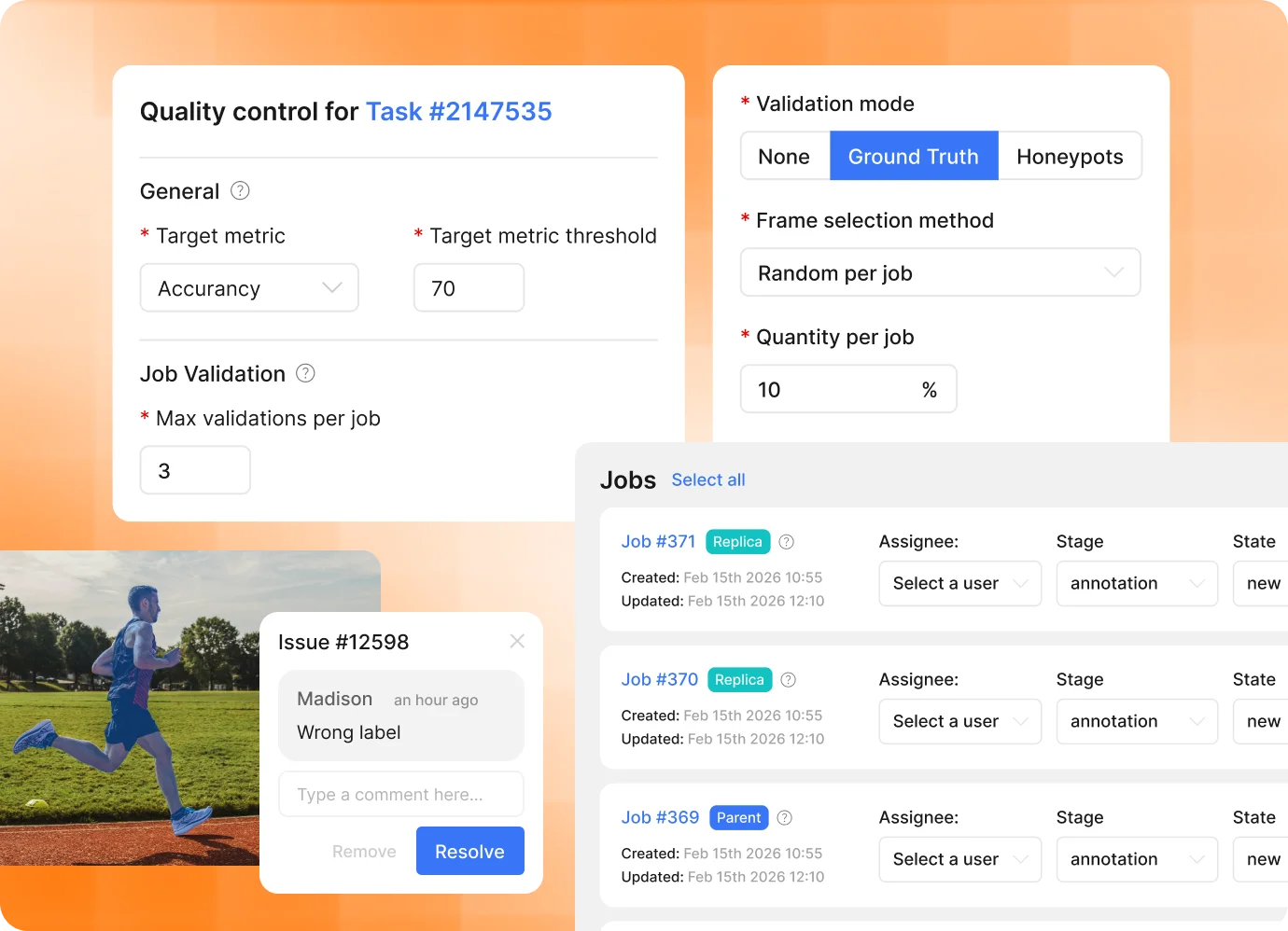
Define severity as a structured attribute rather than free text, then use ground-truth jobs to measure whether inspectors grade the same defect the same way. Review stages and issue resolution let a senior engineer settle disagreements before the labels reach training.
Can annotations from last year’s inspection be reused this year?
Yes. Asset and defect taxonomies are defined at project level and carry across cycles, and prior annotations or model predictions can be imported into a new task. A repeat survey then starts from the previous baseline, and annotators are effectively labeling what changed.
Can CVAT Labeling Services take on a full inspection backlog?
Yes. The service covers project setup, workforce allocation, annotation, review, quality control, and delivery against your asset taxonomy, severity definitions, and acceptance criteria — which suits storm response or a seasonal survey window that creates more volume than your team can absorb.
Can CVAT run inside our own network for restricted grid data?
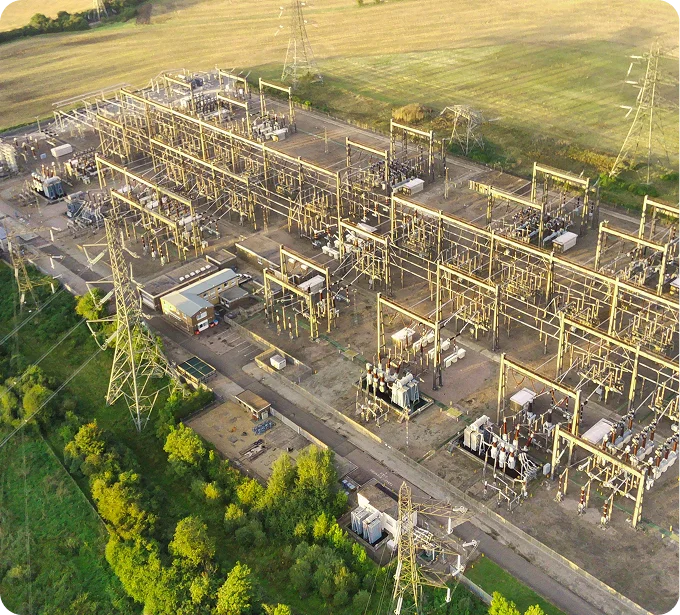
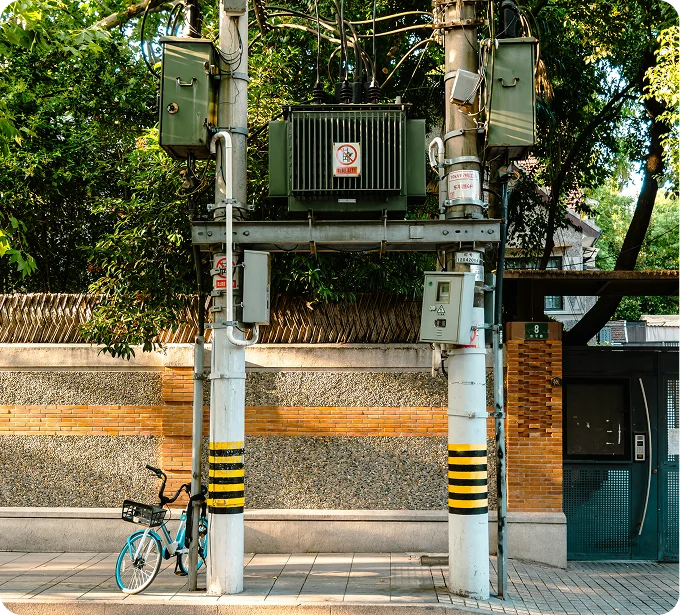
CVAT Enterprise supports private-cloud and on-premises deployment, which is typically what utilities need for substation, control-centre, and critical-asset imagery covered by internal security policy or regulatory restriction.

















.svg)

.svg)

.webp)
.svg)
.svg)
.svg)


.svg)


.svg)
.svg)
.svg)

.svg)
















.svg)










.svg)
.svg)
.png)

.png)


