What types of automotive data can I annotate in CVAT?
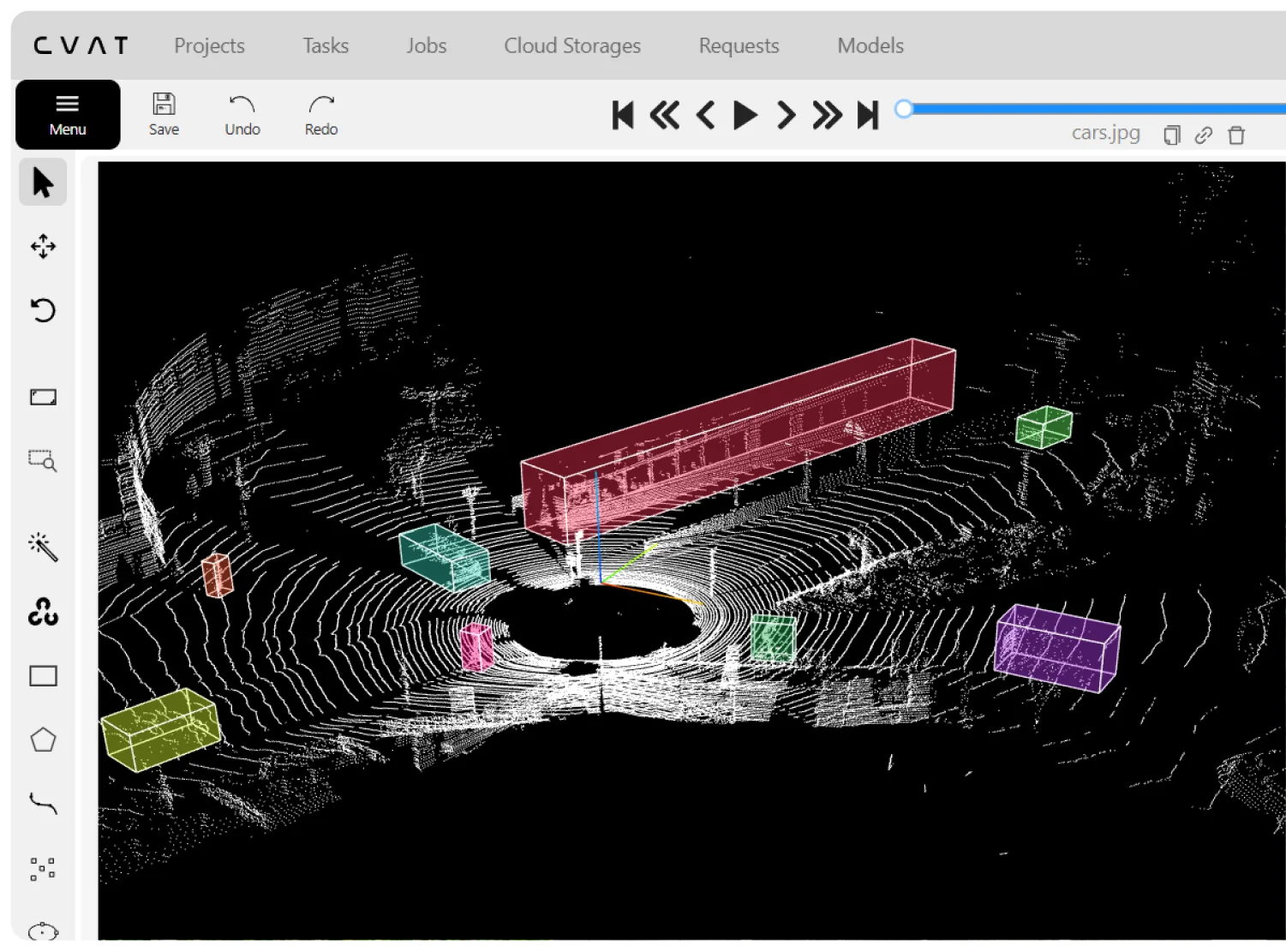
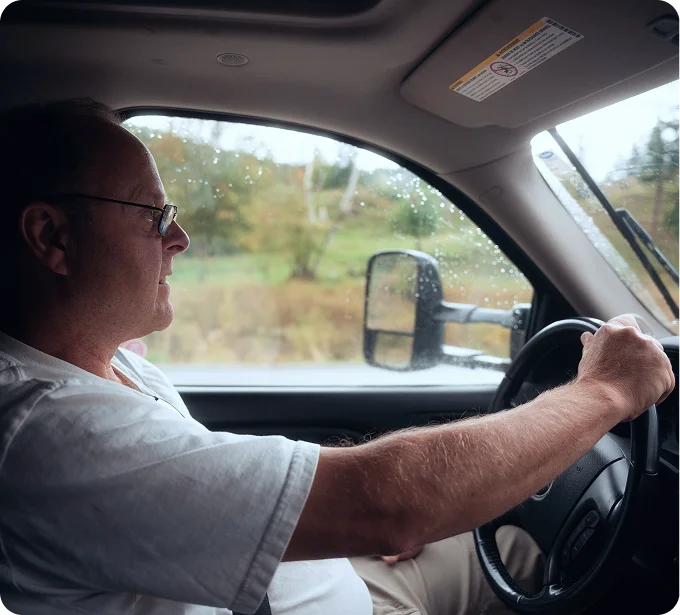
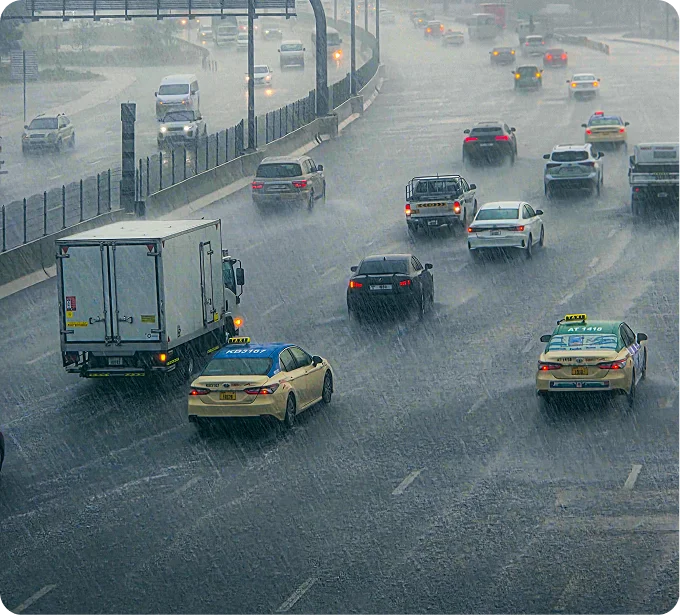
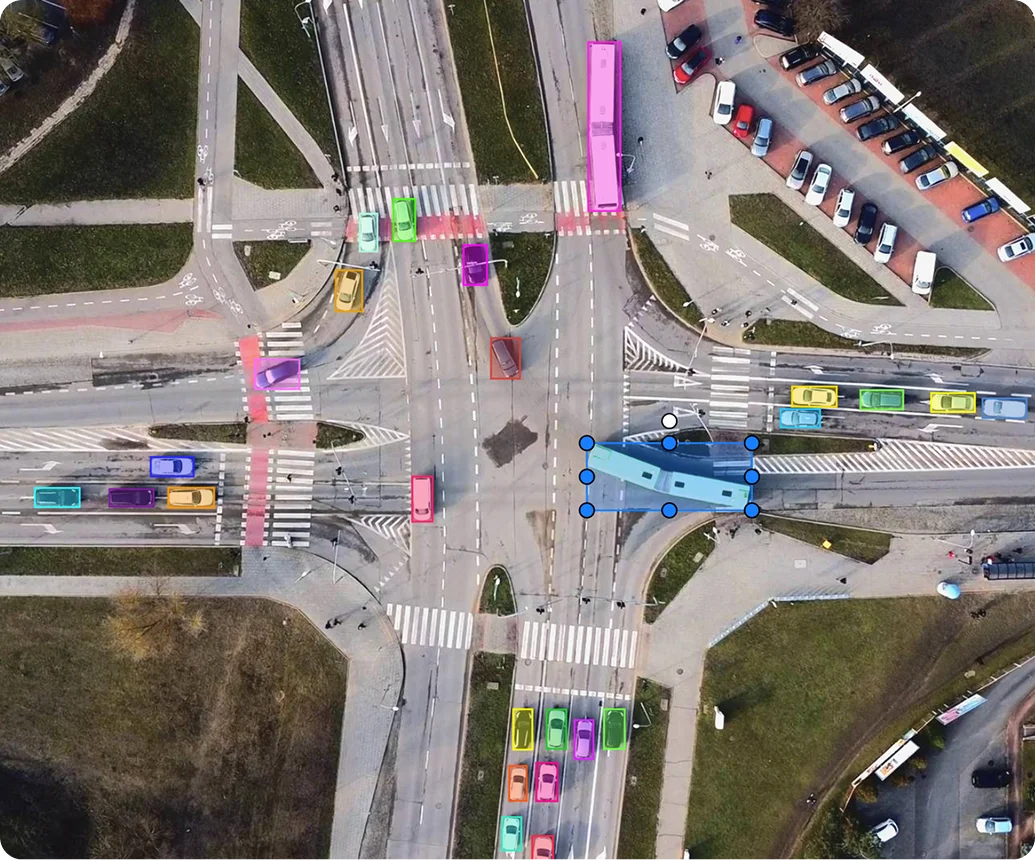
CVAT can be used with multi-camera video, image sequences, and LiDAR point cloud data in supported formats. Teams commonly use it to build training data for autonomous driving perception, ADAS, traffic scene understanding, and in-cabin monitoring.
Can objects be tracked across a long drive sequence?
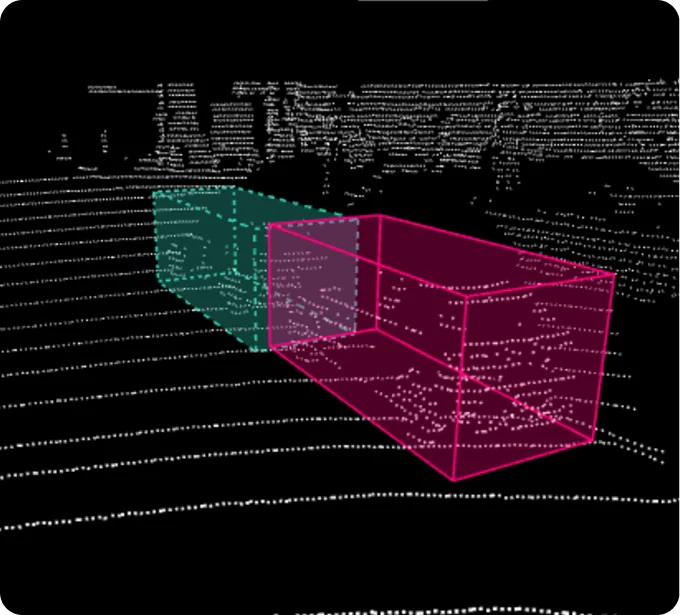
Yes. Track mode propagates an object across frames and interpolates between keyframes, maintaining a consistent identity for the full sequence. This matters for tracking and motion prediction datasets, where identity switches are a common source of label error.
Which annotation types are used for road scenes?
Road agents are usually boxes in 2D and cuboids in 3D. Lane markings and road boundaries are polylines; drivable surface and free space are polygons or masks. In-cabin work leans on skeletons and points for head pose and body keypoints. Occlusion, truncation, and object state are recorded as attributes rather than as separate classes, which keeps the class list small enough to train on.
Can we pre-label drive data with our existing perception model?
Yes. Import predictions from your current stack or connect a compatible custom model, then have annotators confirm, correct, or reject. Labeling the difference between your model and ground truth is usually faster than labeling from scratch, and the disagreements are the part of the dataset with real training signal.
Can CVAT read drive data directly from our cloud storage?
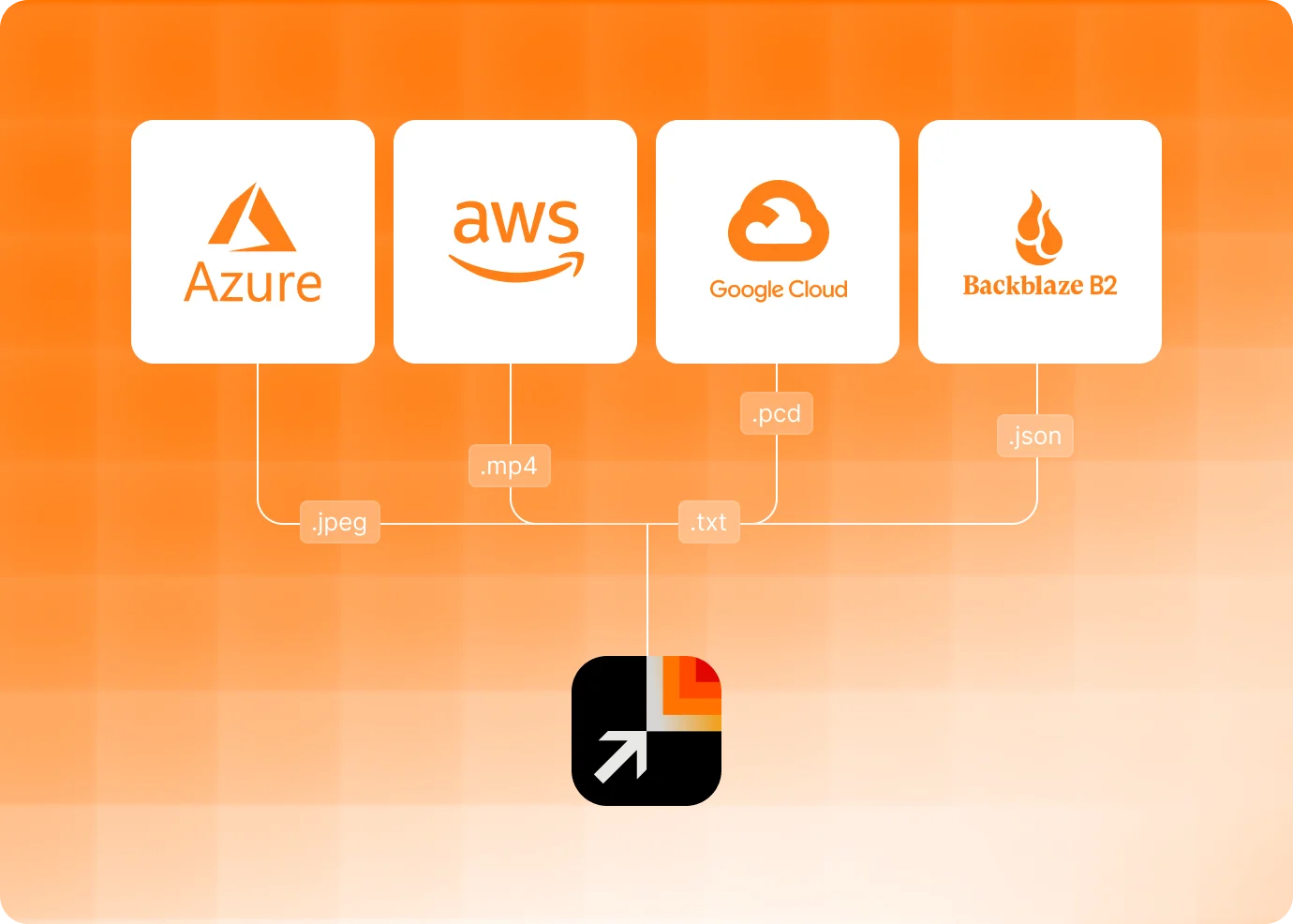
CVAT supports connected cloud storage including Amazon S3, Azure Blob Storage, Google Cloud Storage, and Backblaze B2, so sequences offloaded from a collection fleet can be annotated where they land instead of being staged a second time.
How do you stop identity switches in tracking datasets?
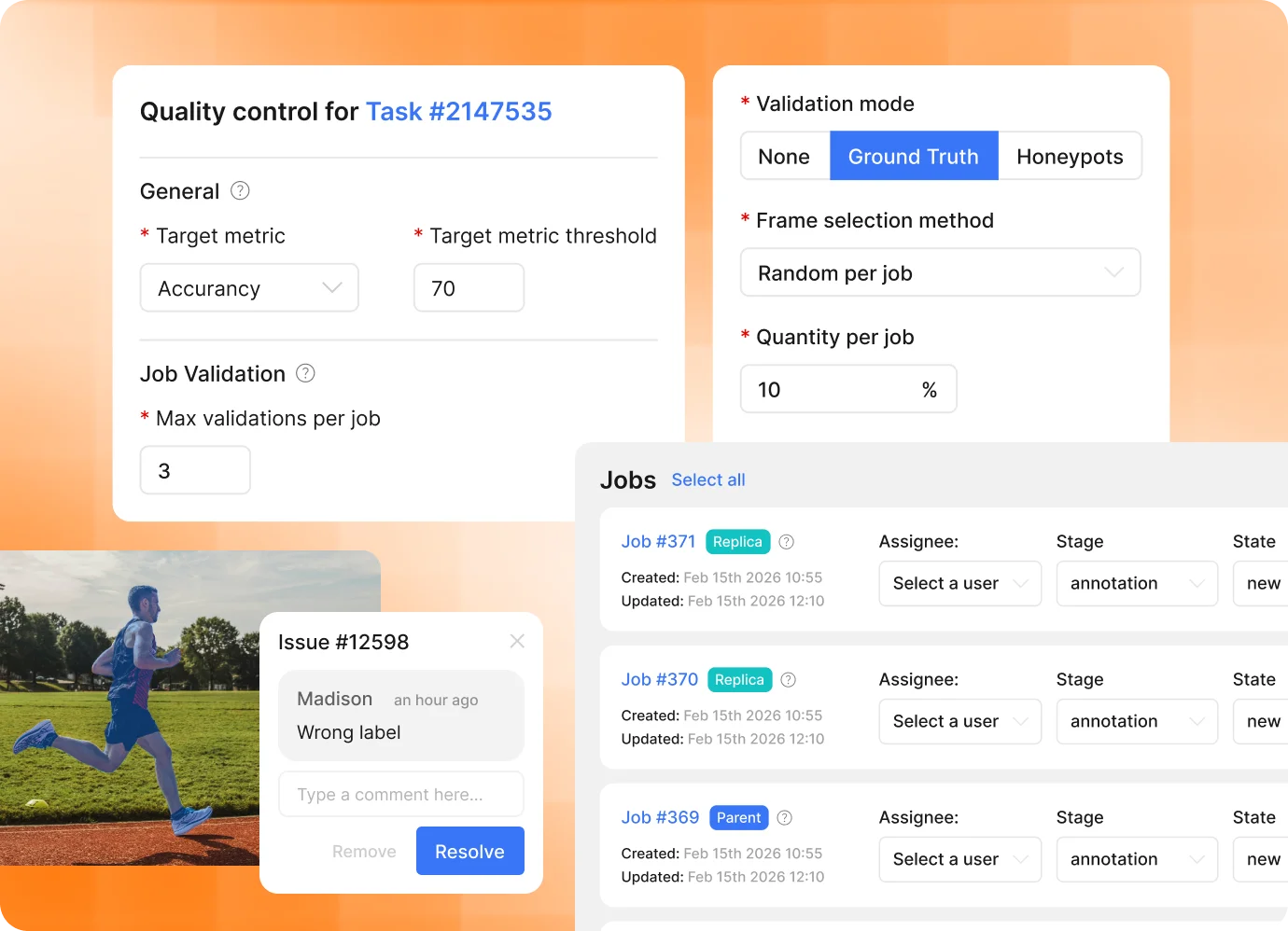
Track mode makes identity a property of the track rather than something re-asserted frame by frame, which removes most switches at the source. Review stages and ground-truth jobs then catch the ones that remain — they cluster around occlusion and re-entry, so those segments are worth reviewing first.
Can annotation be triggered automatically from our edge-case mining pipeline?
Yes. The REST API, Python SDK, and CLI let you create tasks, assign work, monitor status, and pull completed annotations programmatically, so mined scenarios can queue for labeling without anyone opening the interface.
Can CVAT Labeling Services absorb a spike in labeling volume?
Yes. The service covers setup, workforce allocation, annotation, review, quality control, and delivery against your taxonomy and acceptance criteria — which suits perception programmes where a re-collection or a new edge-case class adds months of work at short notice.
Can drive data stay inside our own infrastructure?
Yes. CVAT Labeling Services can handle project setup, workforce allocation, annotation, review, quality control, and final delivery against your taxonomy, guidelines, and acceptance criteria. This works for one-time mapping backlogs, seasonal surveys, and recurring regional or global monitoring programs.